:: Language Advice Line
+44 845 130 4775

|
|
| Official Name: |
|
República Argentina |
| Capital City: |
|
Buenos Aires |
| Main Cities: |
|
Buenos Aires, Córdoba, Rosario, Mendoza, La Plata |
| Area: |
|
1,068,302 sq. miles |
| Population: |
|
32,6 million |
| Currency: |
|
The peso |
| Language: |
|
Castellano (Castilian Spanish)
|
|
Argentina is not a land of palm trees and tropical beaches, as most images of South America portray. Associating a Latin American country with skiing and cold winters as well as hot and humid summers might seem odd, but this is only one of the many aspects that gives this country its own standing as an exciting, inviting, and unforgettable place to visit, be it for business or pleasure.
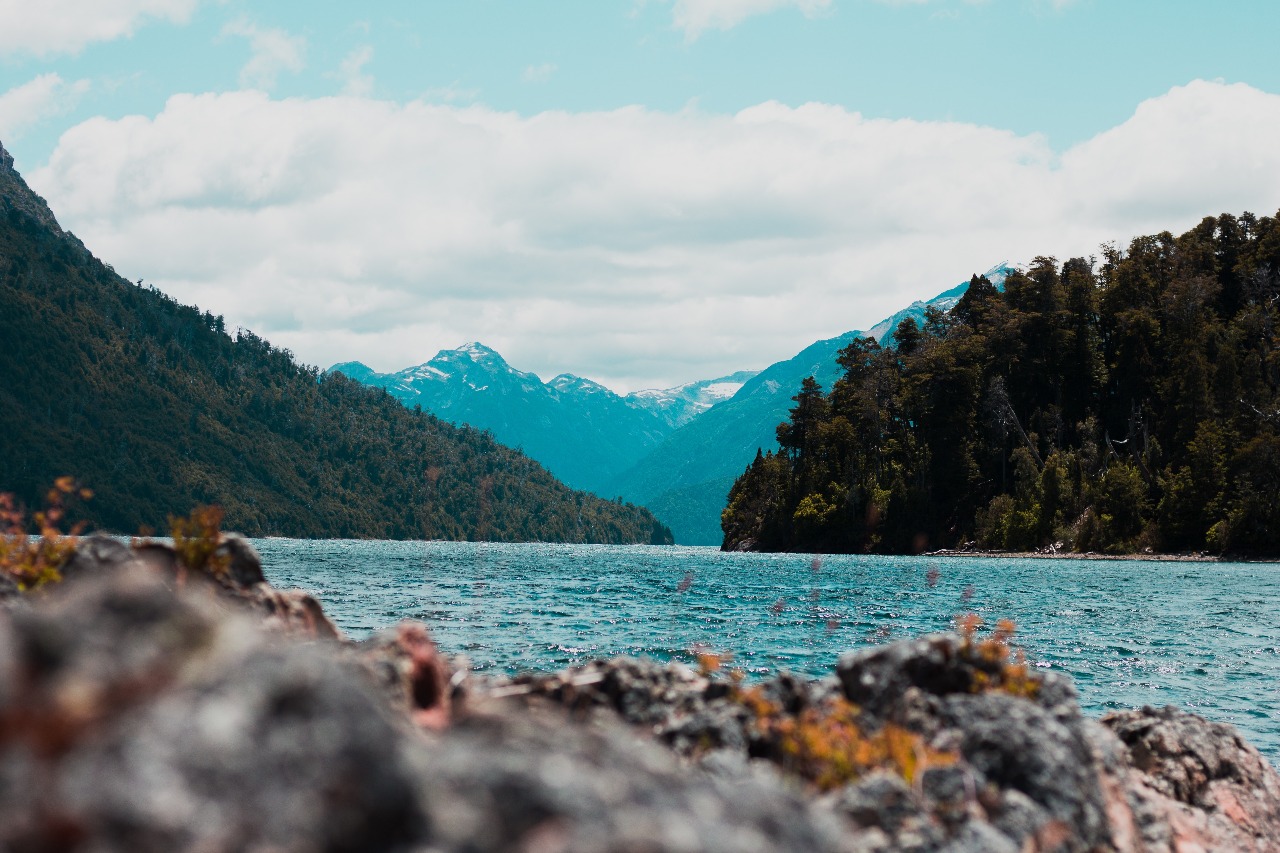
Argentina is the eighth-largest country in the world and the second-largest in South America (after Brazil), covering a distance of almost 2,300 miles (3,700km) from its northernmost to southernmost points. As a result, the country offers an outstanding variety of scenery, climate, and geographically features.
Due to Argentina’s great coverage in terms of latitude (a span of 34 degrees), different climate can be observed as one travel in a north-south direction. These ranges from hot subtropical in the northwest, close to the border with Bolivia, to freezing temperatures in the glacier regions of the south. Visitors are advised to bring the appropriate clothing for the regions and the season of their visit.
The Northwest: this is a mountainous region of hot climate and very colourful landscapes, mainly comprising the provinces of Jujuy , Salta , La Rioja , Catamarca , Santiago del Estero, and Tucumán . It is an area of historic relics, old churches, and ruins of structures that were once part of the great Inca civilization.
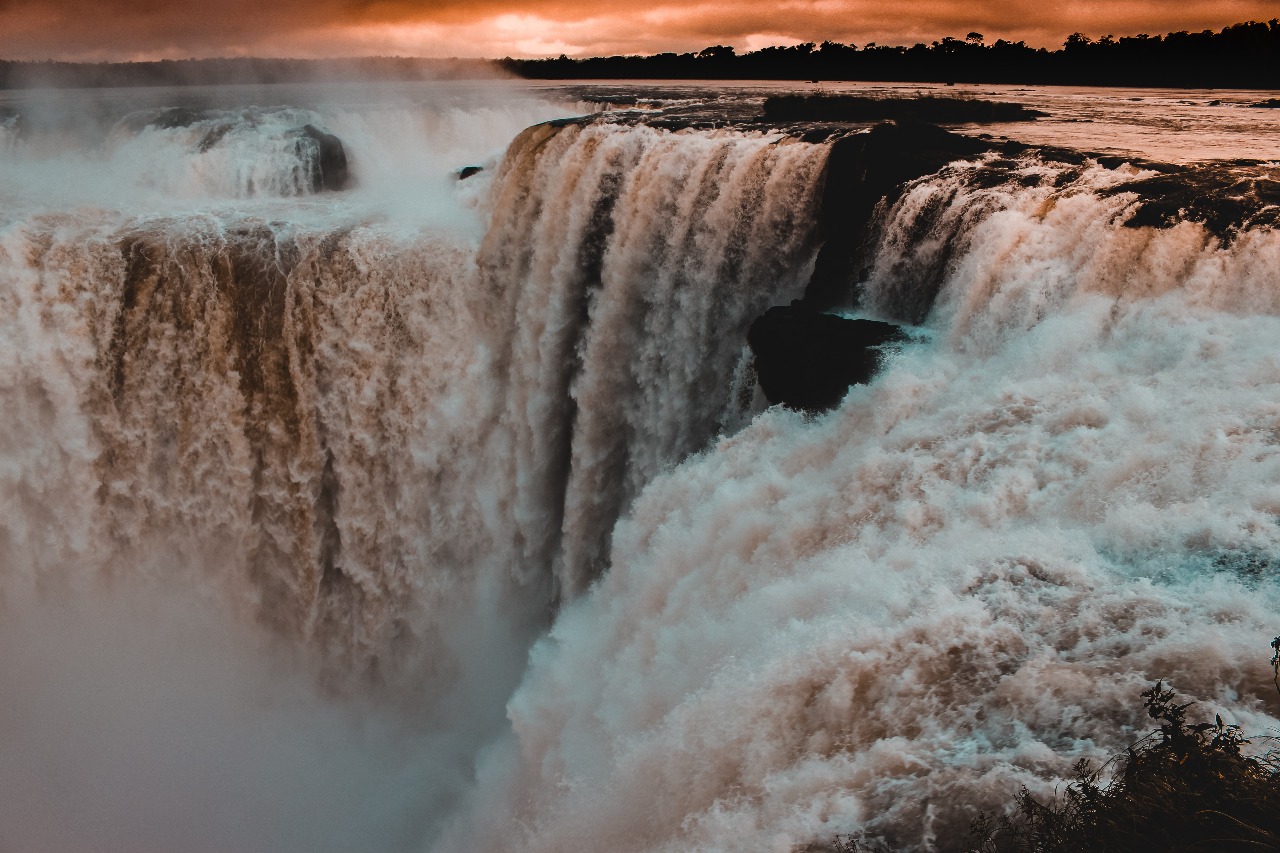
The East and Northeast: as one travels east, one finds the subtropical forest of Formosa and Chaco, rich in flora and fauna and with a hot and humid climate. This is an area of large rivers, rich landscapes, and exuberant vegetation, home to many national parks and the famous Iguazú Falls .
The rivers Panamá and Uruguay run along the eastern and western borders of the provinces of Misiones , Corrientes and Entre Ríos . These three provinces are known as Mesopotamia, a name that in Greek means “between rivers”, as does the name of the province of Entre Ríos in Spanish.
Cuyo: this region lies halfway down the country and is comprised of the provinces of Medoza and San Juan, bordering Chile to the west and San Luis to the southeast of the region. Dominated by high peaks, snow-capped mountains, and rocky landscapes, its climate can be quite varied due to the influence of the Andes, with hot summers and freezing winters as one travels west.
The Pampas: The region known as Pampa Húmeda is the centre of agricultural activity, having the richest soil in the country. It comprises the provinces of Buenos Aires, Santa Fe, and La Pampa . It is generally flat with two small areas of low hills in the regions of Tandil and Ventana . A temperature climate predominates, where temperatures can range from the mid-nineties Fahrenheit (mid-thirties Celsius) during the hot and humid summers (January to March) to just below the freezing point in winter.
The West and South: as one reaches Tierra del Fuego in the south, temperatures can easily reach 5ºF (-15ºC) in winter and climb to about 64ºF (18ºC) in summer. Ushuaia, its capital, is the southernmost city in the world
The Argentines: a very mixed bag
Many cultures have helped to shape Argentina’s society into one that differentiates itself very prominently from the rest of Latin America. The British, Spanish, Italians, Germans, French and most recently Koreans have found a home in Argentina. The extent to which theses groups, mostly of European origin, are represented varies in number, but they make up 99 percent of the population.
Top ^ |
|
| |
Argentina , like most Latin American and Mediterranean nations, is a country of strong family values. Despite changes in social norms the family remains a solid institution. It normal even today for children to live with their parents until they get married, although the more European custom of leaving home after reaching a certain age is increasing.
Proud to be Argentinean
Argentineans have been defined as Italians who speak Spanish, think they are Britons living in Paris, and like to earn American salaries.
National pride extends to many, but not all areas – food, clothes, way of life and, of course football. Areas such as politics and the economy are not something Argentines tend to boast about. Patriotism as a value has not really existed in Argentina until recently. Unstable economic situations and a general mistrust of incompetent government have made people adopt a justifiably selfish attitude, putting themselves first irrespective of whether it is good for the country or not.
Argentineans tend to be forgiving and fair. The jingoism that was inculcated in them during the military dictatorship and which led to great animosity between Britain and Argentina during the Falklands War has, fortunately, not survived. Patriotism and national pride come as the norm rather than as a value, mainly when driven by external events such as an armed conflict or an international sporting event. When Argentina hosted the World Cup in 1978, and won it, people took to the streets in celebration, while others were quietly disappearing in the so-called “dirty war”.
Community and Individualism
Argentineans are very sociable but do not have a strong community spirit, outside that generated by the Church they might attend. Workings as a team or in a group is therefore quite hard for them, as each member will probably try (albeit not maliciously) to outsmart the rest, and hidden agendas will almost certainly play a part. The education system is not designed to produce team players, but stars. This is evident in politics, business, and even the arts, where merit is ascribed normally to one individual rather than to a group of people.
Argentineans are generally individualists, and teamwork is not the norm. Perhaps due partly to a permanent mistrust of their political leaders, people have developed an attitude of putting themselves first at the expense of collective effort. Collective accomplishments are not usually recognized, and Argentineans will tend to single out an individual to give credit to for an achievement – or to point the finger of blame at, should things go wrong.
This does not mean that all Argentineans are indifferent to their community or their country. There are groups of people, notably the younger generation who are developing stronger sense of community. Protecting their environment and their national heritage and a sense of responsibility for looking after their own country are values that are slowly being embraced by a new generation. Nevertheless, graffiti and the defacement of public property are still very much in evidence, although the authorities are trying to clean this up and help Buenos Aires maintain its well-kept character.
Top ^
|
|
Argentine folklore is based upon the music and customs of the countryside rather than on myths and national stories. The customs and traditions of the early Spanish settlers blended with those of the later European arrivals to give rise to a uniquely Argentine folk culture. This features traditional forms of clothing such as the poncho, weapons such as boleadoras , horse saddles and riding styles, and food and drink. Many of these folk elements have become potent symbols in Argentine literature, painting, and music, and their importance continues to be upheld although practices have changed over the years.
Top ^
|
|
|
|
The above extract is kindly provided by Culture Smart! the essential guide to customs & culture. The 168-page guide retails at £6.95 + P&P and is available directly from Kuperard, the publishers of Culture Smart! guides.
CultureSmart!Consulting in conjunction with Cactus Language Training creates tailor-made seminars and consultancy programs to meet a wide range of corporate, public sector, and individual needs. Find out more at www.cactuslanguagetraining.com.
Top ^ |
|
|