Language Advice Line
Contact one of our Language experts for:
- Personalised advice
- Locations
- Language courses
+44 845 130 4775 Book online

|
|
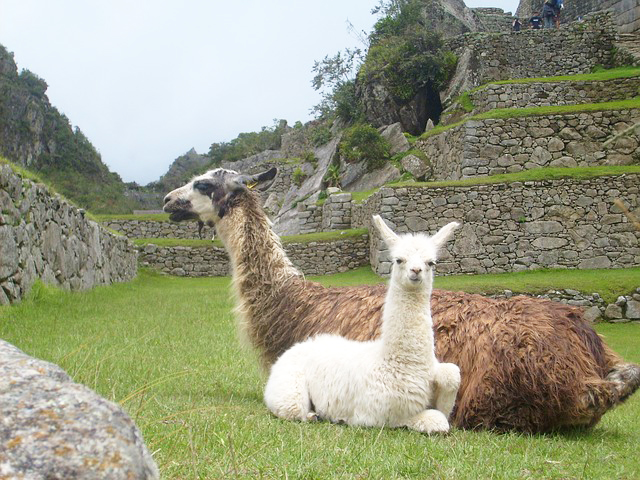
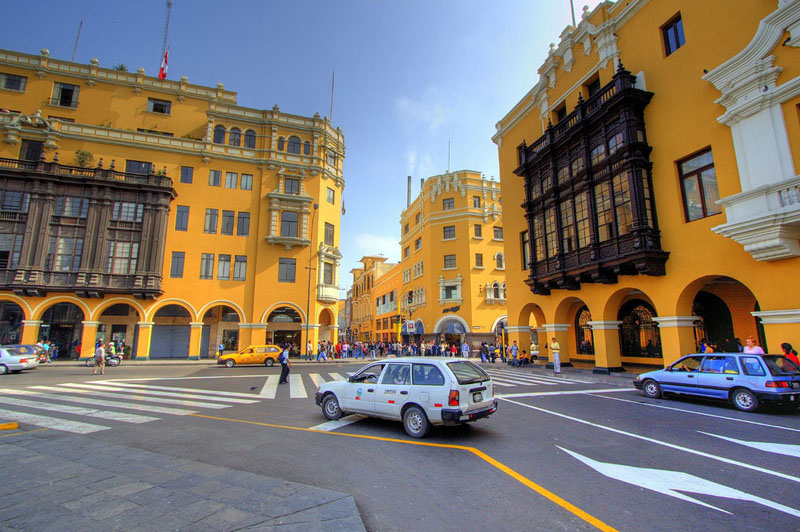
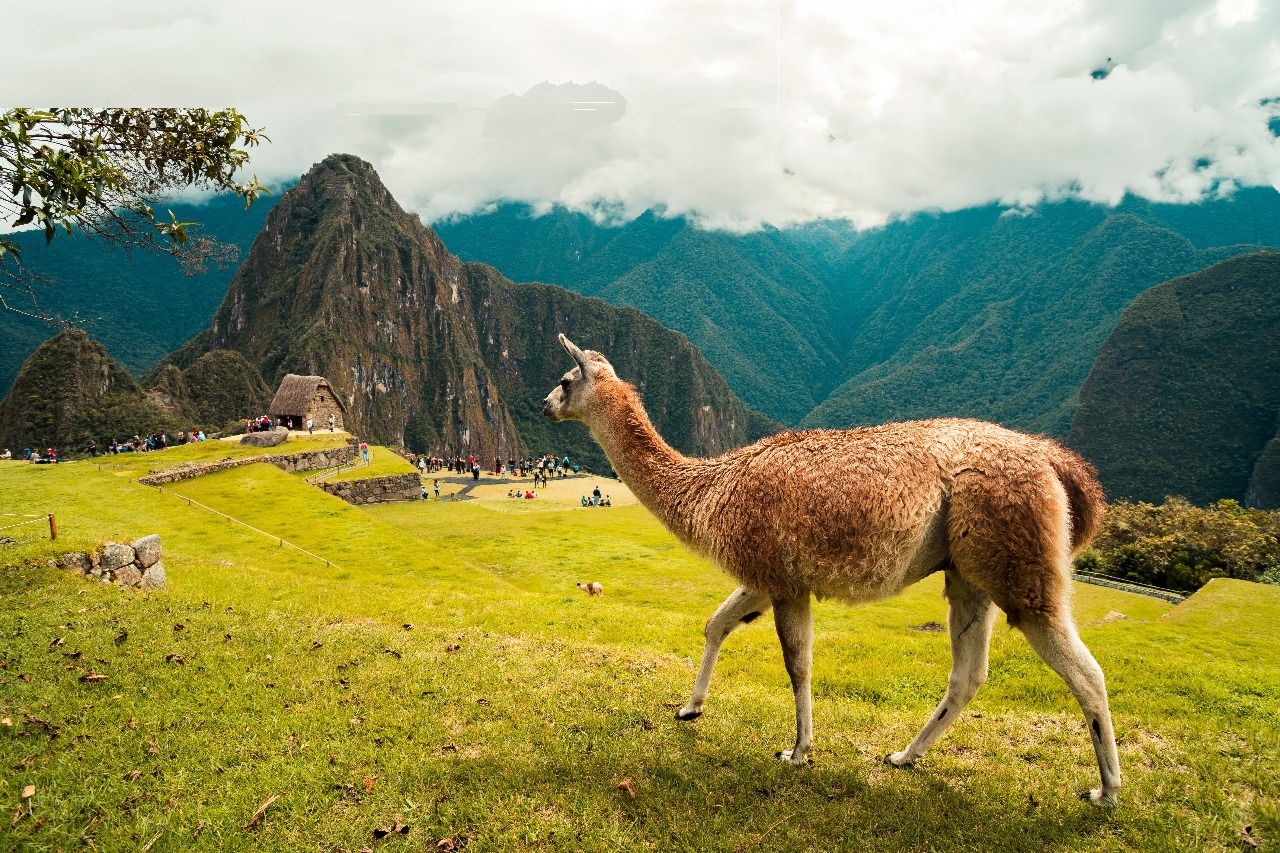
In the popular imagination, Peru conjures up images of mysterious ancient civilizations, awe-inspiring Inca cities, conquistadores risking all in their search for gold, spectacular Andean scenery, incredible biodiversity, and colourful woven textiles. There is much more to it than this.
Of all South American countries Peru has the greatest variety of food and music, and the widest extremes of climate and landscapes. It has the riddle of ancient lines in the desert, and modern-day intrigue and political scandal. Add to this potent mix the friendly nature of its people, and Peru is a country that has to be experienced!
|
|
| Official Name: |
|
República del Peru |
| Capital City: |
|
Lima. Population: 8 millions |
| Main Cities: |
|
Arequipas, Trujillo, Chiclayo, Cuzco |
| Area: |
|
496,225 square miles (1,285,216 square km) |
Population: |
|
Approx. 28,3 million |
Time: |
|
GMT minus 5 hours |
| Currency: |
|
Nuevo del sol (100 centavos) |
| Language: |
|
Spanish and Quechua (oficial languages) |
|
Geographical Snapshot
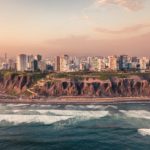
The third largest country in South America, Peru is traversed north to south by a narrow coastal strip in the west, the Andes Mountains down the centre, and Amazon rain forest in the east. It is bordered to the north by Ecuador and Colombia, to the east by Brazil, to the south by Bolivia and Chile, and to the west by the Pacific Ocean.
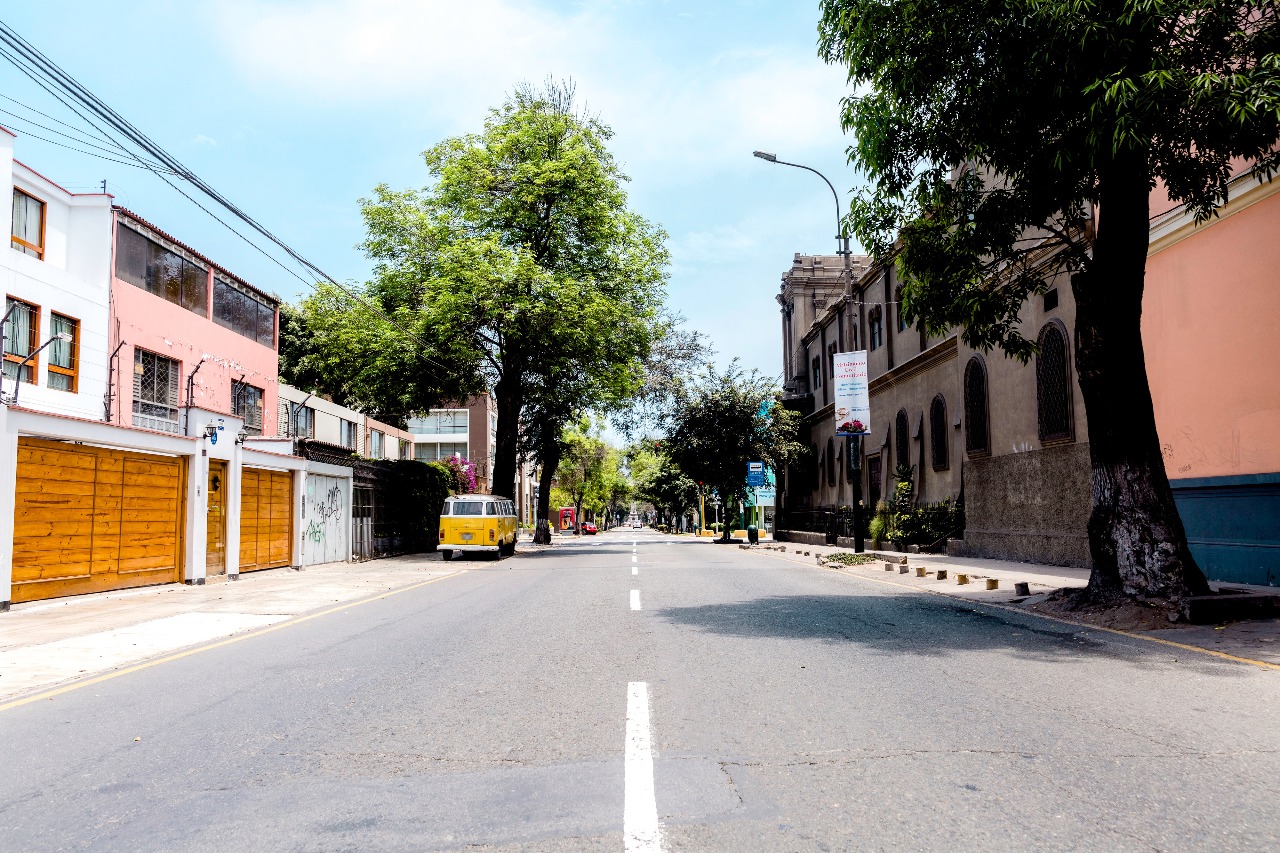
Peru is a Spanish-speaking country, though over a third of the people also speak Quechua, the indigenous language spoken widely but in a variety of dialects the length of the Andes. It has nearly 30 million inhabitants, 8 million of whom live in the sprawling capital, Lima.
There is a wealth of dramatic landscapes and in a day it is possible to travel from searing desert heat, though freezing high Andean fog, and down into the humid rain forest.
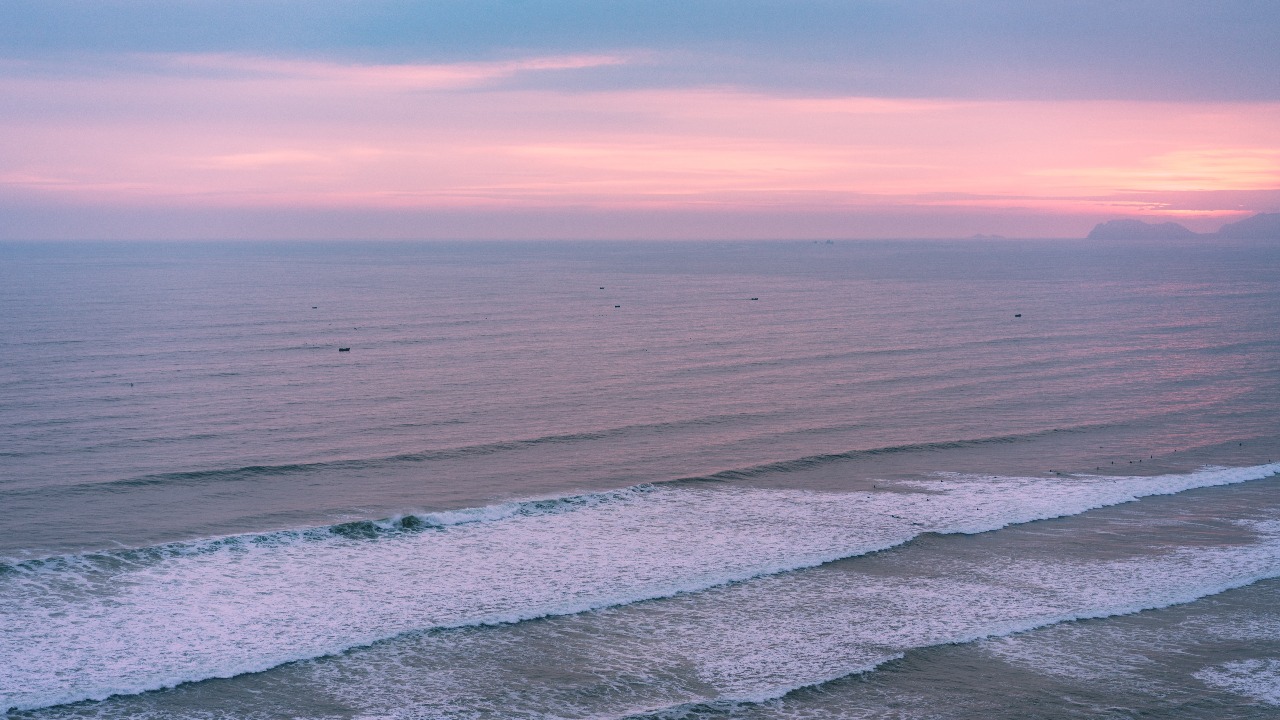
The coastal desert, the driest in the world, extends northward from Chile almost to the Ecuadorian border. The cold Peru (or Humboldt) ocean current flowing northward from Antarctica up the west coast of South America ensures the coastal air masses are moisture free. The desert strip is only 50 miles (80 km) wide at its broadest point in the north and in places almost disappears as the Andean foothills reach down to the sea. It is crossed by narrow fertile valleys watered by fast-flowing rivers with sources high in the Andes.
The Andes result from millennia of tectonic activity as the oceanic Nazca plate is drawn beneath the continental South American plate. Consequently, the mountain ranges (cordilleras) are oldest toward the east and more recently formed near the coast. This leads to frequent earth tremors, through the last big earthquake was in 1970. Most volcanic activity is experienced in the south, where there are several active volcanoes and plenty of evidence of past eruptions.
In the south the Andes splits into two main cordilleras divided by a high-altitude, infertile plateau, the altiplano (“high plain”). It is on this plateau that Lake Titicaca, the world’s highest navigable lake, is situated, at 12,600 feet (3,850 meters) above sea level/ Many rivers are deeply incised into the lower flanks of the Andes, most notably at Cotahuasi and Colca, near Arequipa the deepest canyons in the world.
The source of the Amazon lies high in the Andes in central southern Peru: over half the country is dense tropical rain forest through which flow thousands of tributaries of the largest river on the planet.
Climate
Peru has three distinct climatic zones, though there are significant seasonal variations within each.
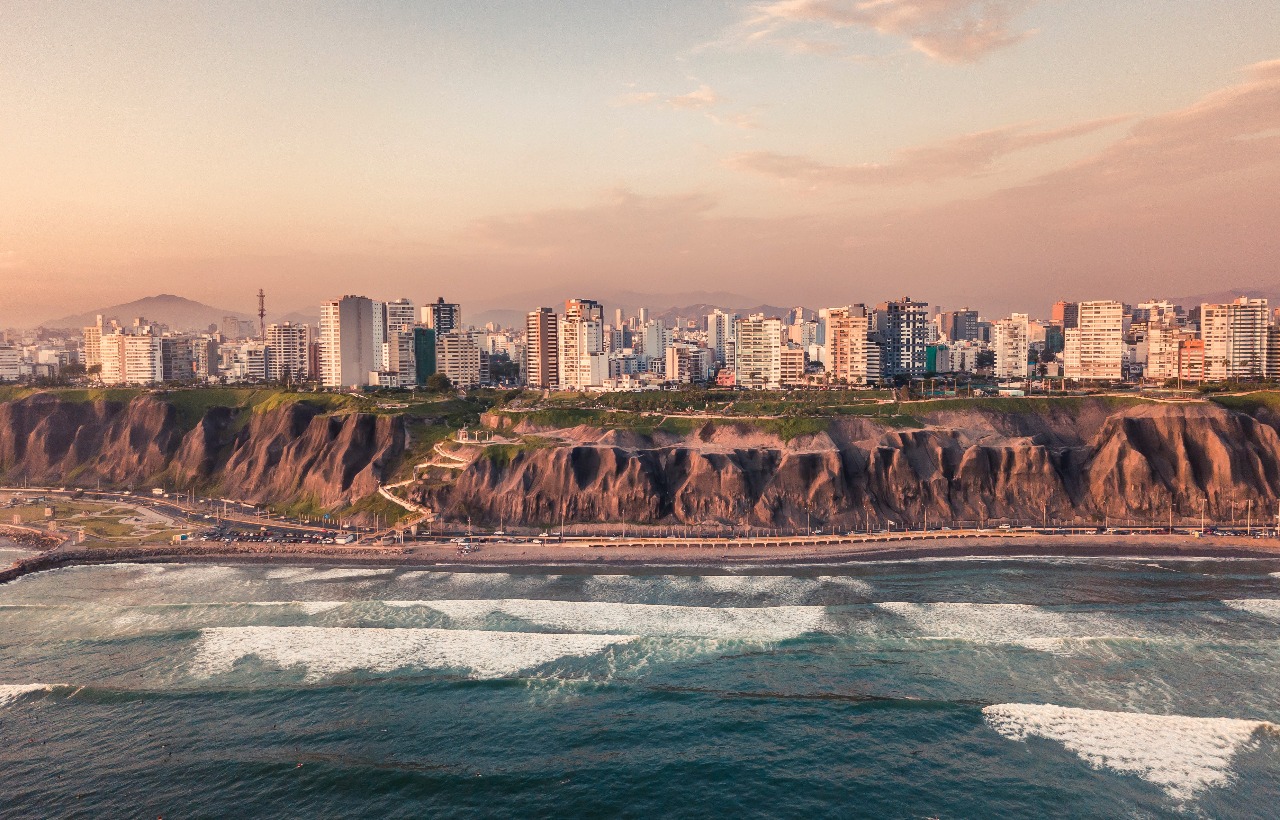
Lima is shrouded in cloud for at least four months of the year (July-October) and at times “La Garúa,” a sea mist, sweeps in at street level between the hotels and apartment blocks. It can feel surprisingly damp and chilly. By driving 12-18 miles (20-30km) inland, however, it is possible to leave all that behind and enter a landscape of clear blue skies and almost permanent sunshine and warmth.
In the Andes the weather can be extremely changeable, especially when crossing the cordilleras, so it may seem like summer one moment and winter the next.
|
Climatic Zone |
Summer
(Nov-Apr)
|
Winter
(May-Oct)
|
Coast (up to 19 miles/30 km inland) |
Clear skies. Very hot. No rain. |
Very cloudy and cool in the south, broken skies in the north. No rain. |
Coastal strip (inland-foothills of the Andes) |
Early mist disappears to leave clear skies. Very hot, no rain |
Early mist disappears to leave clear skies. Warm. No rain |
High Andes |
Cloudy, warm and wet |
Clear skies, cool and dry. At high altitudes very cold at night but warm in the day |
Amazon |
Cloudy, very warm, and very wet |
Very warm, and wet, but at times in the south may not rain for a week. In a friaje (cold spell) temps, can trop to 54-59ºF (12-15ºC) |
Every five to ten years Peru is affected by the “El Niño” phenomenon. The northward flow of the cold Humboldt Current is restricted by a sudden surge or warmer water from across the Pacific. The accompanying warmer, moist air brings cloud, rain, and strong winds to the northern desert. The opposite, but less frequent, “La Niña” brings much colder, drier weather to the southern Andes.
Peru's departments
Peru is a democratic, social, independent, and sovereign republic. It is divided into twenty-four departments, subdivided into 150 provinces, which are further divided into 1,321 districts. In the 1990s eleven regions were created, most consisting of several departments.
The most densely populated departments are those along the coast, the most sparsely in the Amazon. In the 1980s and 1990s there was significant internal migration from Andean to coastal departments as a consequence of the civil war, with many coastal cities increasing rapidly and significantly in size. However, within coastal departments there are large uninhabited expanses of desert between coastal cities.
|
Top ^
|
|
| |
| The church
The majority of customs and traditions in Peru are inexorably linked to the Catholic Church. Even at secular events and ceremonies there will be a religious presence.
The link between the Church and Peru began the day Pizarro landed and raised a cross on a northern beach. His expedition had the full blessing of the King of Spain and the Pope, and religious representatives featured prominently at all major events throughout the Conquest. Though gold and other treasures may have been at the forefront of the conquistadores’ minds, conversion to Catholicism was strong secondary aim and a major justification for the Conquest.
The indigenous belief system focused on the sun and other deities, and on the threats posed by numerous natural hazards. The Sun was the principal god, the Moon his wife, and their sons, the Inca rulers, their representatives on earth.
Catholic practices vary widely across modern Peru. In middle-class urban areas the Church is a bastion of tradition and the conservative Opus Dei movement has a significant presence. In many poorer urban areas a more liberal view of Catholic teachings has been adopted by those having to deal with severe poverty on a daily basis, while in the Andes many religious practices are intertwined with pre-Conquest beliefs.
Festivals and holidays
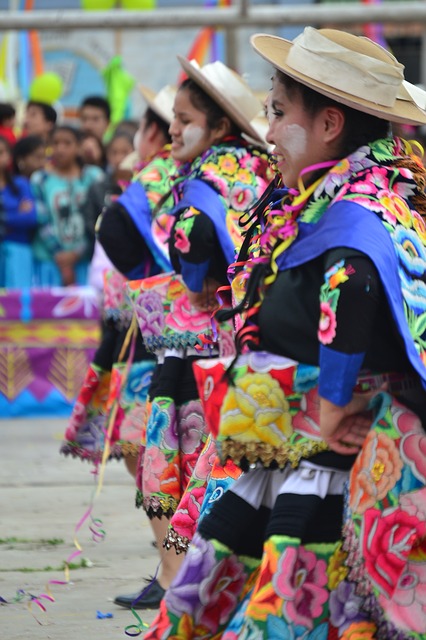
As in other Latin American countries, fiestas feature prominently in Peruvian life – over 3,000 are held, spread across the country and throughout the year.
Each town has its own patron – a saint or the Virgin (Virgen) – and celebration of the patron is a major festival day each year. In some cases it has achieved a wider national significance and attracts visitors from outside the immediate area. The foundation day of the town can also be of great importance and an occasion for extensive festivities, especially in Lima (January 18) and Arequipa (August 15). At times of major national holidays and the most important local fiestas transportation and accommodation are booked up several days in advance and prebooking is essential. On public holidays almost everything bar transportations, restaurants, and tourist-related services are closed. At fiestas times most services remain open but may have restricted hours.
Top ^ |
|
|
|
The above extract is kindly provided by Culture Smart! the essential guide to customs & culture. The 168-page guide retails at £6.95 + P&P and is available directly from Kuperard, the publishers of Culture Smart! guides.
CultureSmart!Consulting in conjunction with Cactus Language Training creates tailor-made seminars and consultancy programs to meet a wide range of corporate, public sector, and individual needs. Find out more at www.cactuslanguagetraining.com.
Top ^ |
|
|