Home : Book : Explore : Blog | Spanish : French : Italian : German : English | 0845 130 4775
Courses | Activity | UK Courses | Under 18s | Groups | Travel | Feedback | About | Contact | Prices

Language Advice Line

Contact one of our Language experts for:

  • Personalised advice
  • Locations
  • Language courses
+44 845 130 4775
Book online
  :: Culture Abroad

  :: Destinations
:: Argentina
:: Australia
:: Austria
:: Bahamas
:: Bolivia
:: Brazil
:: Canada
:: Chile
:: China
:: Colombia
:: Costa Rica
:: Cuba
:: Czech Republic
:: Dominican Republic
:: Ecuador
:: Egypt
:: France
:: Germany
:: Greece
:: Guadeloupe
:: Guatemala
:: Honduras
:: Ireland
:: Italy
:: Japan
:: Latvia
:: Malta
:: Mexico
:: Monaco
:: Morocco
:: New Zealand
:: Nicaragua
:: Panama
:: Peru
:: Poland
:: Portugal
:: Puerto Rico
:: Russia
:: South Africa
:: Spain
:: Switzerland
:: Turkey
:: United Kingdom
:: United States
:: Uruguay
:: Venezuela

Panama - Panamanian Culture


Key Facts

Official Name:
  República de Panamá (Republic of Panama)
Capital City:
  Panama City (population approx. 1,6 million)
Main Cities:
  Colón City, David
Area:
  30,193 sq. miles (78,200sq. km)
Population:
  Approx. 3,039,150
Currency:
  Balboa. The balboa has parity with the U.S dollar bills and coins are used. No Panamanian paper money is issued, but coins are minted.
Time:
  US Eastern Standard Time all year (GMT-5)
Language:
  Spanish

Panamanian Land & People

Geographical snapshot

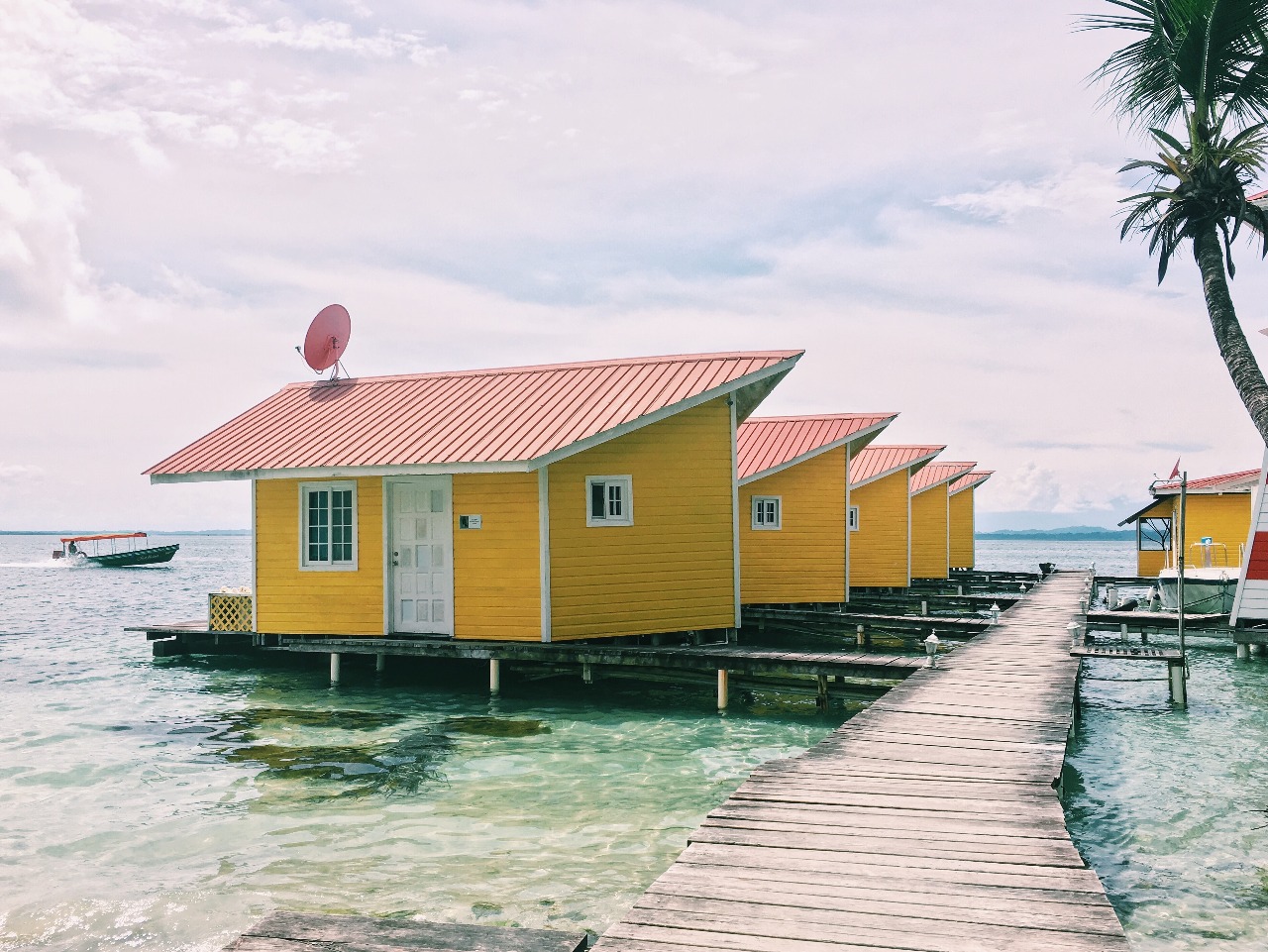
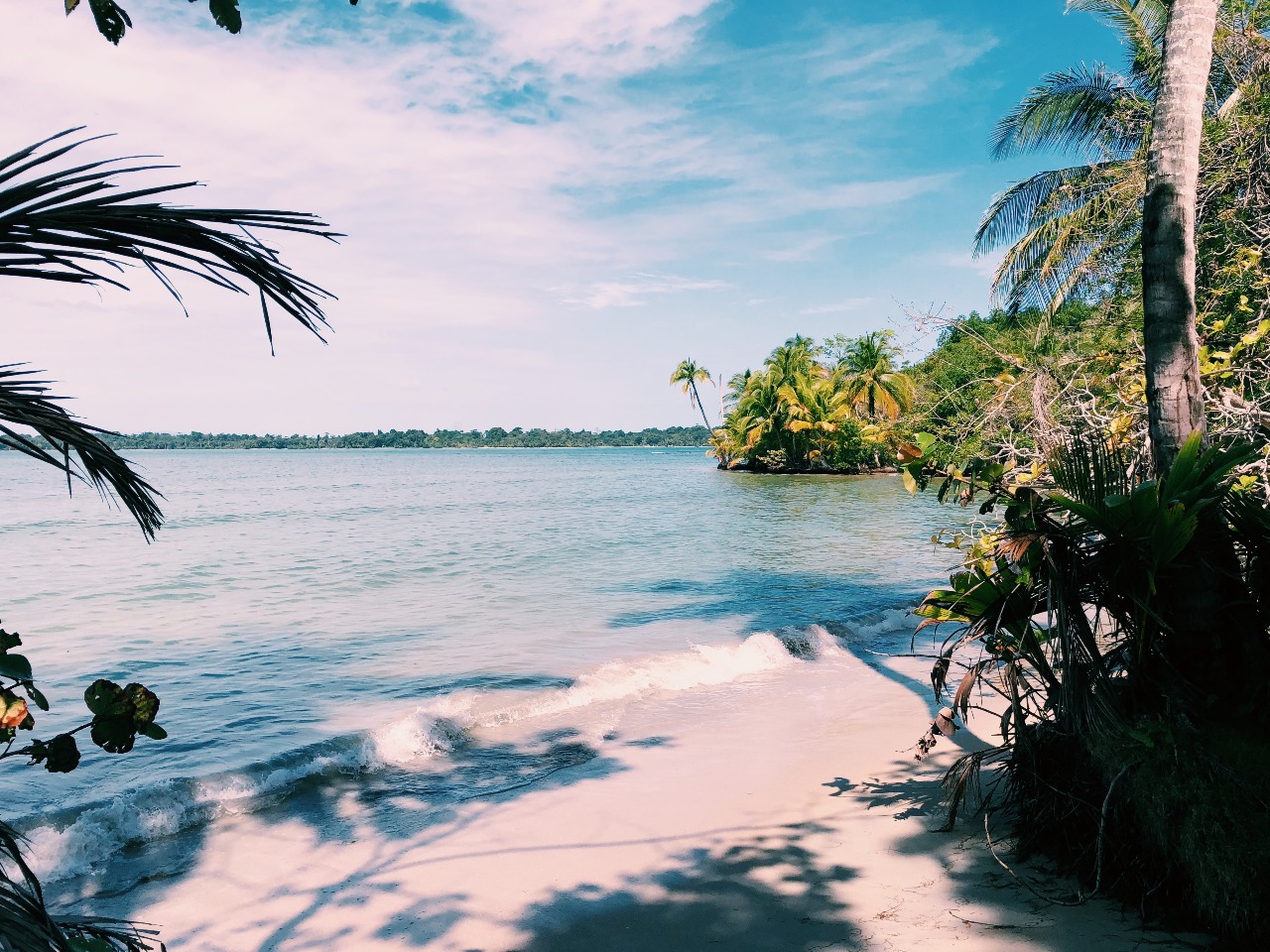
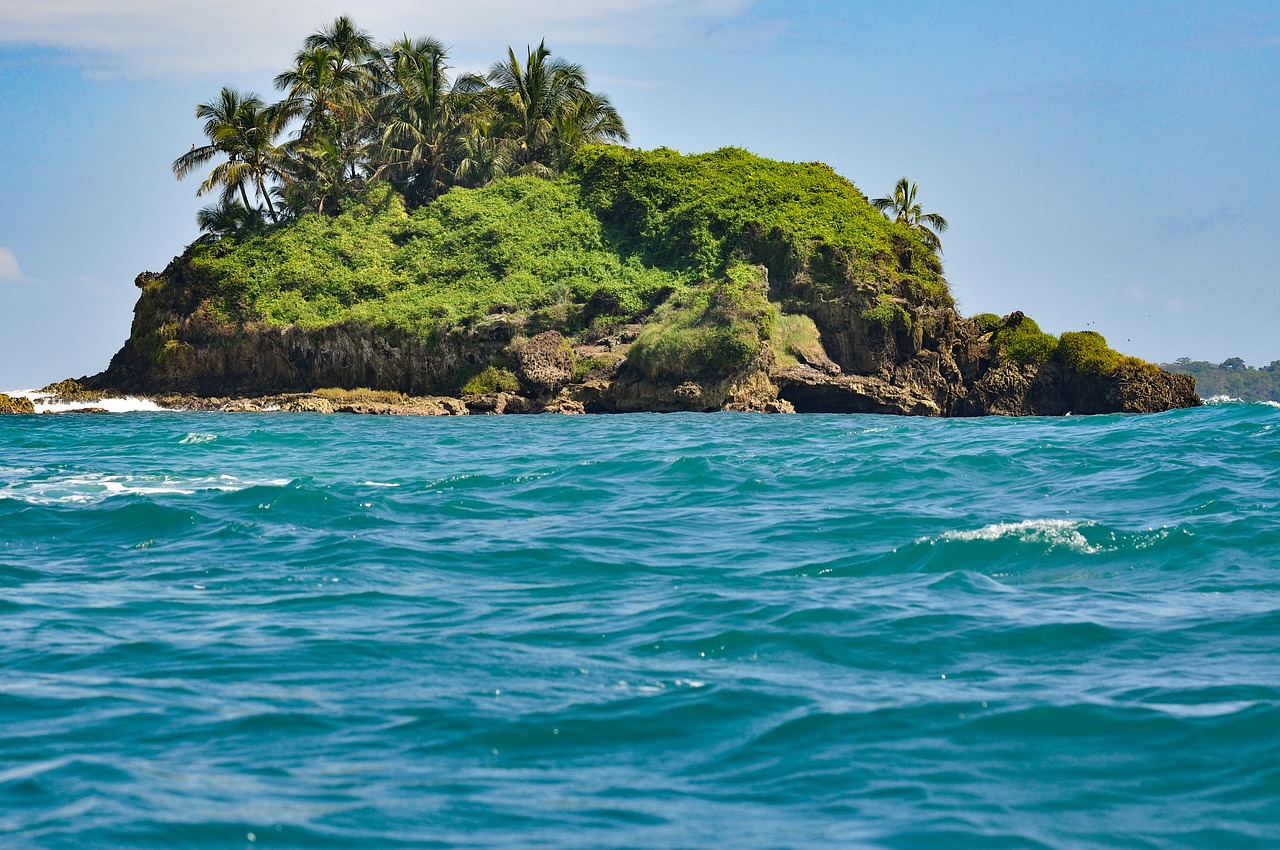
Panama lies between North and Central America and South America. Like a solitary wisp of hair growing above South America’s vast continental face, the narrow isthmus of Panama is connected with Colombia by a mere 140-mile (225-km) border, and covers a total area of 30,193 sq. miles (78,200 sq. km) – toughly the same size as Scotland. The country political importance, however, is disproportionate, as Panama’s great freshwater canal, which splits the country at its narrowest point, provides a vital central crossing point for global traffic. The northwest of Panama has a border with Costa Rica 205 miles (330 km) long, and the isthmus lies almost horizontally, parallel to the equator, between the Caribbean Sea to the north and the north Pacific Ocean to the south, with coastlines totalling 1,547 miles (2,490 km) in length. Working inward from Colombia, the dense tropical rain forest of the Darían, veined with jungle canals and waterways, gradually thins westward toward central Panama. Rural farmland covers much of the central interior, which rises to the central highlands: a region of mountains, forested valleys, and coffee and fruit plantations. Panama’s Pacific coast is much drier than its Caribbean side, which is humid and tropical. Both coasts are strewn with islands and atolls, ranging from the rocky and cavernous to paradisiacal palm-laden mounds and slivers of golden sand.

Climate

In Panama it is sometimes hard to escape unpleasant humidity, which is due to the country’s proximity to the equator. Coastal areas are often cooled by sea breezes, and are always more comfortable. The temperature throughout the country fluctuates between 89 and 95ºF (approx. 32 and 35ºC) during the day, dropping by around 50ºF (10ºC) at night. In the central highlands, days are sunny but cool, and temperatures fall much further at night. May to November is considered Panama’s rainy season, when on average it rains twelve days a month. Officially, the dry seasons starts during December and lasts until mid-April, but in the Caribbean regions the rains may continue. This should not put visitors off; temperamental as Caribbean rainstorms may be, they tend to come and go quickly, or just happen at night. Rain is more orderly in the southern, Pacific regions, where the wet and dry seasons are more marked.

The panamanians

The majority of Panama’s population is now comprised of mestizos – those who are descended from a mix of Spanish and European settlers with natives from Central America. Minority groups include blacks and native Indians. Blacks are the descendants of African slaves brought by the Spanish to Panama in the early colonial days, and of West Indian migrants who some centuries later contributed to the construction of the Panama Canal and then the booming banana trade.


Top ^

Panamanian Value & Attitudes


There are many similarities with other Latin Americans, including religious belief, the importance of the family, and pride, all of which are strong throughout the region.
However, generations of foreigner settlers, such as West Indians, Chinese, and in particular North Americans, have brought new flavours, styles, and even work ethics to this tiny nation. Panamanian people are friendly, polite, and relaxed. They are traditionally devout, although in recent years younger generations have become more relaxed about churchgoing and observing religious customs.

Cooperation

Panama is a small country, and most people are accustomed to a communal lifestyle. What visitors may interpret as intrusive or interfering behaviour is most likely to be a Panamanian’s way if being neighbourly, and while Panamanian can sometimes be unfussy and direct, they may simply be trying to help. One wonderful quality is their optimistic approach to overcoming everyday hurdles, if someone has problem, friends and neighbours are prepared to shoulder the burden and help them. This ranges from offering to fix a car to tackling jobs such as plumbing repairs and even replacing an entire roof, which foreigners might deem impossible without professional help. This supportive, can-do attitude given Panamanians great flexibility, the capacity to ignore red tap, and perhaps a less materialistic attitude than more developed cultures are accustomed to. The impression is that many Panamanians would be able to survive long-term if they found themselves lost in the wilderness, which is a comforting feeling.
Politically, however, Panamanians are typically pessimistic. The crisis (and embarrassment) Noriega brought to their country, the U.S. invasion, and a repeated history of governmental corruption have created a generation that almost expects to be let down again. But politics and patriotism are two very different concepts to Panamanians, who remain deeply nationalistic despite a dented political vision.


Looking good


For a Panamanian city dweller, a smart, groomed appearance in a top priority, and both men and women present themselves flawlessly for all occasions, business or casual. It’s essential that clothes, shoes, hair and makeup are impeccable. Courtesy is as important to Panamanians as good as dress sense. Good manners are particularly applicable with the elderly, who are paid great attention throughout the country. Panamanian can be very laid-back, and are not easily insulted, but usually measure you by your interest in them. Panamanian use formal Spanish in conversation with strangers, and even with acquaintances. It is only between good friends that the formality is relaxed. If you want to meet and converse with Panamanians, it is essential to learn basic formal Spanish, and to understand the difference between the formal and informal modes. Panamanians are likely to realize that such a lapse from a foreigner is a genuine mistake, and are unlikely to take offence or reprimand you; but it would show greater respect to reflect their good manners and learn the correct usage.

Top ^

Time Out

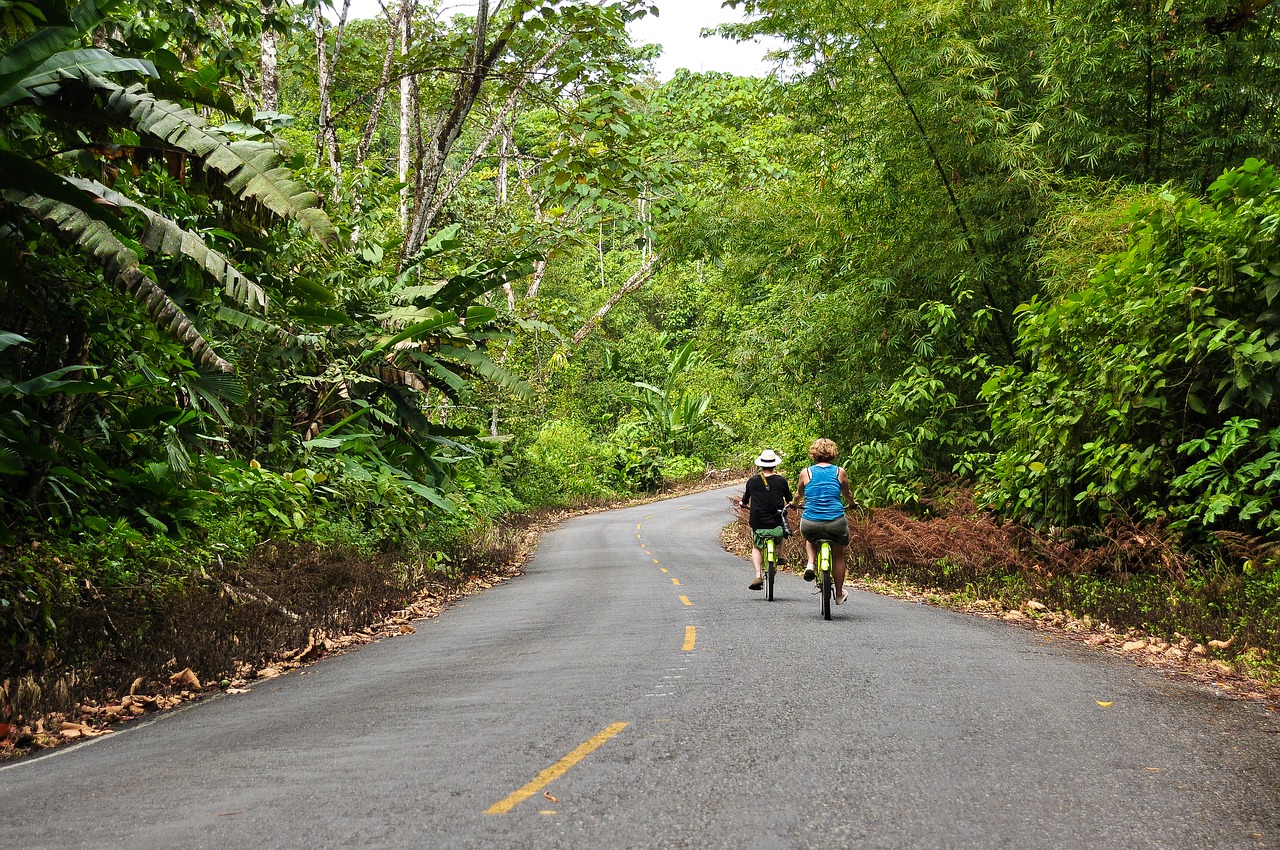
Panamanians generally work very hard, and look forward to their leisure time. Weekends are especially important, as many have to rise early on weekdays. The most popular pastimes for those who can afford it in Panama City are weekend’s trips and visiting family and friends. City lovers adore the seaside, and short breaks to beach resorts and islands are traditional. Rural Panamanians enjoy days out, family cycle rides, and picnics.

During evenings and nights out, Panamanians love to dance. Dancing is something a visitor will notice everywhere. Apart from restaurant dining and dancing, there is dancing at most evening social events. Live pop music has become the choice for younger people, and most generations enjoy watching salsa and Latin bands. While most theatrical and classical music events are available only to those who can afford them, amateur dramatics are becoming more popular, with small groups springing up around the country.


Top ^

Spanish Language Courses in Panama

:: Boquete
:: Panama City
:: All Panama locations

Culture Smart

The above extract is kindly provided by Culture Smart! the essential guide to customs & culture. The 168-page guide retails at £6.95 + P&P and is available directly from Kuperard, the publishers of Culture Smart! guides.

CultureSmart!Consulting in conjunction with Cactus Language Training creates tailor-made seminars and consultancy programs to meet a wide range of corporate, public sector, and individual needs. Find out more at www.cactuslanguagetraining.com.

Top ^